Behind every site that runs smoothly is a maintenance team that never stops. At North West Recycling, Tom didn't just join that team — over seven years, he built it into something the whole business depends on.
Planning maintenance, prioritising breakdowns, organising the team, compliance checks across the fleet — making sure all forty trucks are where they need to be, MOTs are in order, six-weekly health and safety checks are done. Then there’s training, risk assessments, research and development for future planning, skip repairs, and nightshift cleaning activities. Some of it is office-based, a lot of it is hands-on. No two days are the same — and I love that about it. The addictive part is the problem-solving. When something breaks and you work through it, there’s nothing quite like getting the plant back running.
How central it is to everything. The site couldn’t run without us. Good planning relieves tension across the whole business — when things are maintained properly, problems don’t escalate. When they do, you need people who can work at 2am to get the plant running for the next day. That still happens here. It doesn’t faze us.
I wanted to get back to hands-on fitting — fabrication, heavier equipment, fixed plant maintenance. NWR offered that alongside a better work-life balance. What’s kept me is the people, the love for what the business is doing, and the sheer variety of the work. One day you’re on a conveyor, the next you’re putting brakes on a tractor unit. The business has also trusted me with real responsibility over time — high-value purchasing, contracts, management decisions. That trust has to be earned and I’ve tried to earn it every day.
The workshop. When I arrived we were using subcontractors for a lot of our repair and maintenance work. We’ve brought the vast majority of that in-house — extended the building, added a new pit, built out an electrical workshop upstairs, upgraded the tooling, employed a storeman, and grown the team from four or five people to twelve. Giving the team the tools and the premises to do their jobs to a high standard — and watching them take pride in that — is something I’m genuinely proud of.
Fast-paced but family. Nothing is ever a problem, ‘not my job’ doesn’t exist — we look after each other and we work hard. There’s a good laugh and good banter, but everything still gets done. Long hours happen, but hard work is recognised here. That makes a difference.
Training others can be frustrating at times, but mainly it’s satisfying. The way I see it — if somebody else can do something as well as me, or better, that makes my team stronger and ultimately makes me better at my job. I don’t have to fight fires all the time. The more knowledge that exists across the team, the better the business runs. That’s what a good leader is supposed to build.
This is the first workplace I’ve felt I truly belonged — and that’s not something I say lightly. More training, more mentoring, more professional development than anywhere else I’ve worked. I’ve been here for seven of those thirty years and I can see what I’ve contributed to. That matters. The opportunities here are endless if you’re willing to work for them.
R&D puts us in a strong position for the next generation of waste. Landfill is a dying trade — we’ve hit the right moment. There’s no reason we can’t be seeing the full circle of waste here, be self-sufficient, and become the largest recycling and waste centre in the North of England. I’ve still got a long career ahead of me and I intend to keep progressing — ultimately pushing for a director-level role in operations and maintenance. I’m not done yet, not by a long way.
Keep an open mind about your career — the path isn’t always what you expect when you arrive. Be interested in what you do, work hard from day one, and don’t underestimate this industry. We don’t do dirty bin bags here. The work is technical, skilled and worth being proud of.

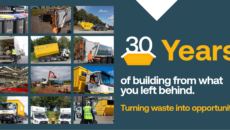
Celebrating 30 years of North West Recycling 30 Years of Building From What You Left Behind This year marks a proud milestone for North West Recycling as we celebrate 30 years of service to Cumbria — and we think that strapline says it all. Because that is exactly what we do: we build something valuable […]

And How We Can Help Prevent Tragedies Refuse not refuge! As temperatures drop and winter approaches, many people experiencing homelessness face increasingly harsh and dangerous conditions. In desperate attempts to stay warm, some rough sleepers seek shelter inside refuse containers such as bins and skips. While it may feel like temporary protection from the cold, […]
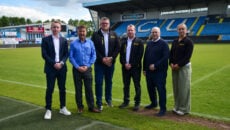
We’re proud to announce that North West Recycling (NWR) is now an official Club Partner and Waste Management Partner of Carlisle United Football Club for the upcoming season. Founded in 1995 as Brampton Skip Hire, we’ve grown over the past 30 years into the region’s largest privately owned waste management provider, serving Cumbria, South West […]
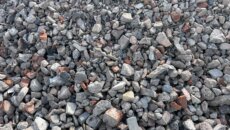
What are aggregate materials used for and what are their main benefits? Construction aggregates are often referred to as simply “aggregates,”. They are a group of materials that are used in construction to form the foundation of roads, buildings, and other structures. Indeed, there are several benefits to using construction aggregate materials in construction projects: […]
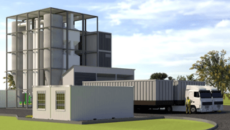
A simple guide to gasification and its benefits Gasification is a process that converts solid or liquid fuels into a gaseous fuel called “syngas”. This is done by oxidizing the fuel, creating a mixture of carbon monoxide, hydrogen and other volatile gases. The syngas produced can then be burned as a fuel in a gas […]
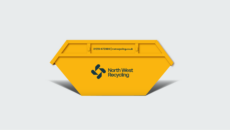
Hiring a skip is an excellent and convenient way of getting rid of waste in your home. During home and garden clean or clear outs, you will realize that you have different types of waste to dispose of. Before you embark on disposing of any waste, it is important that you understand what type of […]

Waste Electrical and Electronic Equipment (WEEE) is a diverse and intricate category of recyclable waste that poses unique challenges in the recycling process. This category of waste consists of various electronic devices, making it a challenging waste type to handle. Our primary goal is to achieve the best possible outcome for the waste we receive, […]
When it comes to waste and recycling, North West Recycling is the leading waste management provider across Cumbria and beyond. And for good reason too. Here are 10 reasons why you should choose us as your provider: 1. North West Recycling provides a reliable service with a reputation for quality and dependability. 2. We recover […]

Ever wondered whether you actually know the best way to recycle plastics? Here are some tips specifically for recycling rigid plastics in the UK: Recycle Plastics Remember that recycling is just one part of the solution to reducing plastic waste. Reducing your use of single-use plastics and choosing products with minimal packaging can also have […]
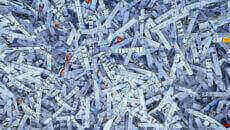
The truth is there is no right or wrong answer on how best to recycle paper, however we’ve written an easy guide blog post to help demystify the process. Here are some general tips for recycling paper: Recycle Paper By recycling paper properly, you can help conserve resources, reduce waste, and contribute to a more […]
Last week we announced plans to develop a gasification plant on our site near Rockcliffe, Carlisle. And now we are delighted to share a few more details with you. THE BACKGROUND Sadly, only 9% of plastic waste is recycled. Most is burnt for energy and the rest ends up as plastic waste in the environment. […]
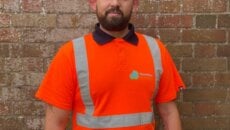
There many great waste management careers available to explore within the waste sector. Some of the most common roles include: Environmental Waste Manager. These professionals are responsible for managing waste collection and disposal operations. They focus on ensuring compliance with regulations, and promoting sustainable waste management practices. Recycling Operatives. These professionals are responsible for the […]
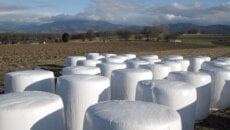
The best way to recycle plastic film may vary depending on the specific type of plastic it is made of and the recycling capabilities in your local area. However, here are some general tips that may be helpful: Furthermore, remember that reducing plastic consumption and choosing sustainable alternatives whenever possible is also an important part […]


 Trade accounts