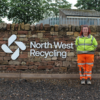
Not everyone who works in recycling planned to. But some people arrive, get stuck in, and realise they've found something worth staying for. Emily is one of those people — and she's become one of the most capable operators on site in the process.
I’m the final link in the chain for recyclables leaving site. The pickers sort material and put it into bays, then I collect it, take it to be baled, and when we have enough of one stream I load it into containers, complete the paperwork and make sure everything is as it should be. I also show buyers around the site — they tell me what they do and don’t like about the material, which has taught me a huge amount about the different grades and what makes quality recycling. Getting that right matters. It affects where the material can go and what it becomes.
That I’m doing it, probably. People don’t expect to see a woman operating machinery in a recycling plant. But I feel completely part of this team — it doesn’t matter that I’m a woman, I can do this job just as well as anyone. What really stuck with me is that some new starters have told me that seeing a woman doing this job made them want to join. I hadn’t expected that, but it means a lot.
I’ve passed the in-house tests to operate machinery on site — load-alls, excavators, diggers. I drive the 35D as well, which is a machine that lifts bales using a forklift with a grab on it. I’ve learned how to attach a bale ramp to a container correctly and safely, completed health and safety training including fire safety, asbestos awareness and correct mask fitting. And alongside all of that I’ve built up a detailed understanding of the waste and recycling process — the different grades of materials, what contamination means in practice, how to make sure containers are compliant. It’s a lot more technical than people assume.
I started on the picking line. I got off the line by volunteering to do the jobs other people didn’t want to do. I was recommended for more responsibility because I was willing. That’s genuinely how it works — you get a foot on the ladder by being open to different things. I came from being a horse riding instructor before the Co-op, so I was used to the dirt and the physical side of things. But it was the willingness to say yes that made the difference here.
>One big dysfunctional family. And I mean that in the best possible way — we build great connections working here. You’re alongside the same people every day in a demanding environment, and that brings people together. I’ve worked with farmers, visiting businesspeople, buyers from all over — you learn to communicate with everyone. That’s something I didn’t expect to take away from a job in recycling, but it’s one of the things I value most.
Being part of a company that is genuinely trying to make things better — for the local environment, for future generations. The investment in new clean technologies, the push to do things properly rather than just adequately. That matters to me. When you’re the final link in the chain for recyclables leaving site, you understand the importance of getting it right. This isn’t just a job, it’s part of something bigger.
Completely. I see things differently now. I recently saw a TikTok where people were suggesting wetting cardboard to fit more in the bin — but wet cardboard can’t be recycled. Or plastics that contained oil need to be washed twice before they can be processed properly. Most people don’t know things like that, and it genuinely affects what we can do with the material. Working here gives you an understanding of recycling that goes way beyond what most people ever get, and I think that’s worth sharing.
Bluntly, don’t be lazy! Be willing to learn and open your horizons. I got where I am by volunteering for the jobs other people didn’t want — and I was recommended for more because of it. Push yourself to exceed, because that’s how you learn best. You go up the food chain by putting yourself out there and trying.

Celebrating 30 years of North West Recycling 30 Years of Building From What You Left Behind This year marks a proud milestone for North West Recycling as we celebrate 30 years of service to Cumbria — and we think that strapline says it all. Because that is exactly what we do: we build something valuable […]

And How We Can Help Prevent Tragedies Refuse not refuge! As temperatures drop and winter approaches, many people experiencing homelessness face increasingly harsh and dangerous conditions. In desperate attempts to stay warm, some rough sleepers seek shelter inside refuse containers such as bins and skips. While it may feel like temporary protection from the cold, […]
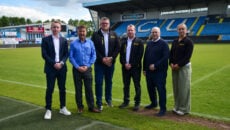
We’re proud to announce that North West Recycling (NWR) is now an official Club Partner and Waste Management Partner of Carlisle United Football Club for the upcoming season. Founded in 1995 as Brampton Skip Hire, we’ve grown over the past 30 years into the region’s largest privately owned waste management provider, serving Cumbria, South West […]
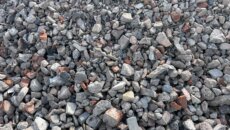
What are aggregate materials used for and what are their main benefits? Construction aggregates are often referred to as simply “aggregates,”. They are a group of materials that are used in construction to form the foundation of roads, buildings, and other structures. Indeed, there are several benefits to using construction aggregate materials in construction projects: […]
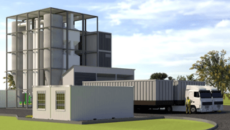
A simple guide to gasification and its benefits Gasification is a process that converts solid or liquid fuels into a gaseous fuel called “syngas”. This is done by oxidizing the fuel, creating a mixture of carbon monoxide, hydrogen and other volatile gases. The syngas produced can then be burned as a fuel in a gas […]
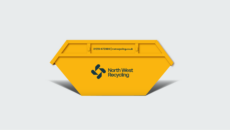
Hiring a skip is an excellent and convenient way of getting rid of waste in your home. During home and garden clean or clear outs, you will realize that you have different types of waste to dispose of. Before you embark on disposing of any waste, it is important that you understand what type of […]

At North West Recycling, supporting our community means supporting the people in it — and that’s exactly what our sponsorship of Carlisle Reivers FC is all about. A Sponsorship Close to Home Grassroots football relies on the time, energy and commitment of volunteers, coaches and local businesses who believe in what a club can do […]
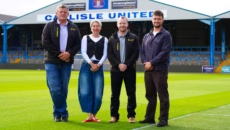
North West Recycling (NWR) is proud to confirm its official sustainability partnership with Carlisle United Football Club for the 2026/27 season. As the club’s waste management provider, NWR already plays an active role at Brunton Park – collecting and processing the ground’s food waste, glass, mixed recycling, and general waste at NWR facilities right here […]
When three local businesses come together for a good cause, the results speak for themselves. North West Recycling recently joined forces with Story Contracting and Heidelberg Materials to support a community improvement project at Eden Valley Hospice — helping create a new surfaced pathway that will make a real difference to patients, families and staff. […]
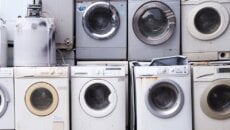
Waste Electrical and Electronic Equipment (WEEE) is a diverse and intricate category of recyclable waste that poses unique challenges in the recycling process. This category of waste consists of various electronic devices, making it a challenging waste type to handle. Our primary goal is to achieve the best possible outcome for the waste we receive, […]
When it comes to waste and recycling, North West Recycling is the leading waste management provider across Cumbria and beyond. And for good reason too. Here are 10 reasons why you should choose us as your provider: 1. North West Recycling provides a reliable service with a reputation for quality and dependability. 2. We recover […]

Ever wondered whether you actually know the best way to recycle plastics? Here are some tips specifically for recycling rigid plastics in the UK: Recycle Plastics Remember that recycling is just one part of the solution to reducing plastic waste. Reducing your use of single-use plastics and choosing products with minimal packaging can also have […]
The truth is there is no right or wrong answer on how best to recycle paper, however we’ve written an easy guide blog post to help demystify the process. Here are some general tips for recycling paper: Recycle Paper By recycling paper properly, you can help conserve resources, reduce waste, and contribute to a more […]

 Trade accounts